
This company has no active jobs
0 Review
Rate This Company ( No reviews yet )

Exercise Bike Workout
(0)About Company
Where To Research Gym Bicycle Online
The Ultimate Guide to Gym Bicycles: Why and How to Incorporate Them into Your Workout Routine
In the realm of fitness, fitness center bikes, also called stationary bicycles, have become a popular choice for those seeking an efficient and enjoyable cardiovascular exercise cycles for sale [learn here]. Whether you are a seasoned professional athlete or a fitness newbie, integrating fitness center bikes into your exercise program can yield significant benefits. This detailed guide checks out the different types of gym bikes, their advantages, and how to successfully utilize them in your physical fitness journey.
Understanding Gym Bicycles
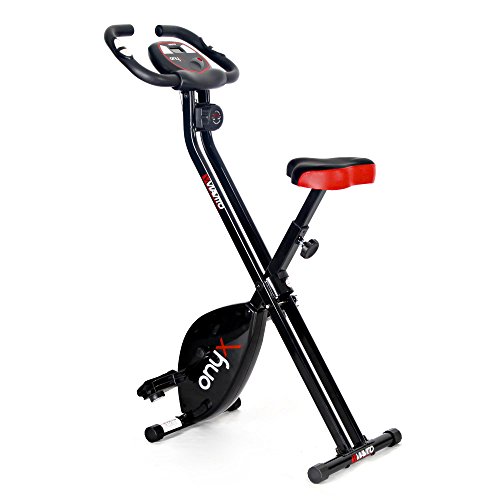
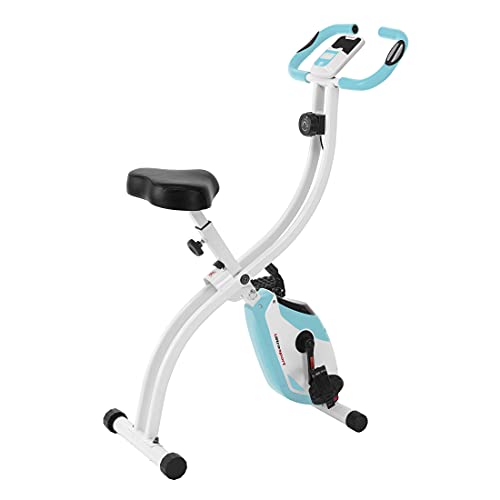
Fitness center bikes fall under 2 main categories: upright bikes and recumbent bikes.
Types of Gym Bicycles
| Type | Description | Perfect For |
|---|---|---|
| Upright Bikes | Resemble conventional bicycles with pedals located below the rider. They supply a more intense exercise by engaging more core muscles. | People looking for a high-intensity workout. |
| Recumbent Bikes | Feature a larger seat and back-rest, allowing users to sit in a more reclined position. The pedals are positioned in front of the rider. | People with lower back or joint concerns and senior citizens. |
Advantages of Using Gym Bicycles
- Cardiovascular Health: Regular cycling assists improve heart health by enhancing cardiovascular function and increasing circulation.
- Weight Management: Cycling is a reliable way to burn calories, aiding in weight-loss or upkeep when integrated with a healthy diet.
- Joint-Friendly: Cycling is a low-impact exercise that puts minimal tension on the joints, making it appropriate for users of all ages and physical fitness levels.
- Muscle Toning: Gym bikes engage numerous muscle groups, including the quadriceps, hamstrings, glutes, and calves, promoting muscle tone and strength.
- Psychological Well-being: Physical activity, consisting of biking, launches endorphins, which can relieve stress, anxiety, and depression while enhancing overall mood.
How to Effectively Use a Gym Bicycle
Utilizing a health club bicycle is simple, but the efficiency of your workout depends upon correct form, strength, and duration. Here are essential ideas for ensuring you get the most out of your cycling sessions.
Setting Up the Bike
- Adjust the Seat Height: When seated, your knee must be a little bent when the pedal is at its floor.
- Adjust the Handlebar Height: Ensure that the handlebars are at a comfy height, generally lined up with the seat height.
- Protect Your Feet: If utilizing a bike with pedals designed for cycling shoes, make certain your shoes are safely clipped in for ideal power transfer.
Intensity Levels
| RPE Scale (Rate of Perceived Exertion) | Intensity Level | Description |
|---|---|---|
| 1 | Very Light | Very little effort; easy to talk. |
| 2-3 | Light | Gentle speed; still able to hold a discussion. |
| 4-5 | Moderate | Breathing ends up being much heavier; discussion is more challenging. |
| 6-7 | Hard | Challenging but sustainable effort; brief discussion possible. |
| 8-9 | Really Hard | High strength; can only state a few words. |
| 10 | Max Effort | All out; no ability to converse. |
Exercise Duration
For optimal outcomes, go for a minimum of 150 minutes of moderate-intensity or 75 minutes of high-intensity cycling per week. Newbies might start with 20-30 minute sessions and slowly increase the period as fitness levels enhance.
Test Gym Bicycle Workouts
1. Steady-State Cycling
- Period: 30-60 minutes
- Intensity: Moderate (4-5 on the RPE scale)
- Description: Maintain a stable speed throughout the session. Ideal for developing endurance.
2. Interval Training
- Duration: 30 minutes
- Format:
- Warm-up: 5 minutes at RPE 2-3
- Work Interval: 30 seconds at RPE 8-9
- Recovery: 1 minute at RPE 2-3
- Repeat for 20 minutes
- Cool Down: 5 minutes at RPE 2
- Description: Alternating between high-intensity bursts and healing periods can improve cardiovascular fitness and caloric burn.
3. Hill Climbing
- Period: 30-45 minutes
- Intensity: Varies
- Description: Adjust the resistance to mimic hill climbs, rotating between seated and standing positions to engage various muscle groups.
Frequently Asked Questions (FAQ)
1. How many calories can I burn on a gym bicycle?
The number of calories burned varies based on weight, intensity, and duration of the exercise. Typically, an individual weighing around 150 pounds can burn approximately 400-500 calories in an hour of moderate cycling.
2. How typically should I use a health club bicycle?
For general health, go for a minimum of 150 minutes of biking per week. More frequent sessions can be helpful for weight-loss or increased fitness levels.
3. Can newbies utilize a gym bicycle?
Yes, gym bicycles appropriate for all fitness levels. Newbies must begin with much shorter, less intense sessions and slowly build up their endurance and intensity.
4. Is it better to cycle indoors or outdoors?
While both have their benefits, indoor biking offers the benefit of weather condition security and the capability to control conditions such as resistance. Outside cycling provides a change of surroundings but might include more variable terrain.
Whether it’s the convenience of a health club bicycle or the array of health advantages it offers, incorporating cycling into a fitness routine can substantially boost total wellness. With a myriad of workouts to choose from and the flexibility of use, fitness center bikes stand out as a versatile fitness alternative. By comprehending the kinds of bicycles readily available, the benefits of biking, and how to efficiently incorporate it into a workout regimen, users can start a satisfying fitness journey that leads to a much healthier, happier lifestyle.
