
This company has no active jobs
0 Review
Rate This Company ( No reviews yet )

Angebot Für Akku-Maschinenset
(0)About Company
How To Save Money On Tool Machine Set
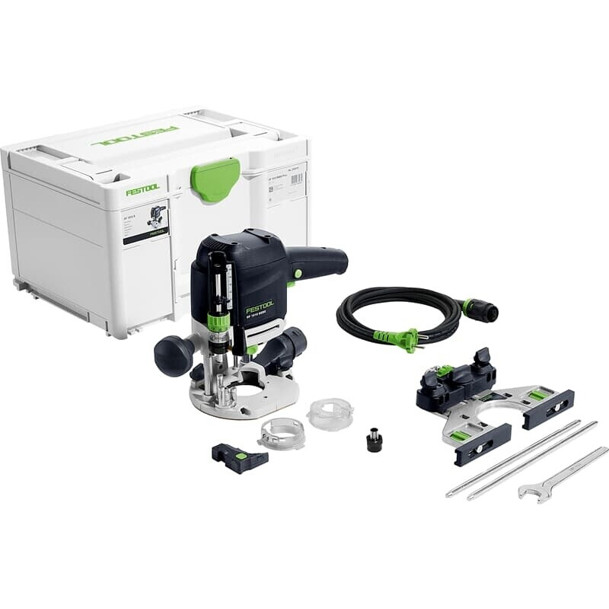
Understanding Tool Machine Setups: A Comprehensive Guide
In the ever-evolving landscape of manufacturing and production, efficient tool machine setups are important to operational performance, quality control, and total performance. The tool machine set, making up a variety of tools, machinery, and techniques, plays a significant role in figuring out the success of manufacturing procedures. This blog post will look into what makes up a tool machine setup, its importance, the typical types, and how to optimize these setups to improve workflow.
What is a Tool Machine Setup?
A tool machine setup refers to the plan and calibration of tools and devices needed to execute specific producing tasks. This might consist of anything from lining up machinery for production to choosing the right tools for cutting, shaping, or assembling materials. The setup procedure can be complex, involving multiple phases that need mindful preparation and execution.
Significance of Tool Machine Setups
The significance of tool machine setups can not be overstated. Here are some reasons why they are vital:
-
Efficiency: Well-organized setups minimize time lost in setting up makers and changing between tools, ultimately leading to faster production cycles.
-
Quality Assurance: Properly calibrated devices and tools ensure accuracy and minimize the possibility of problems in the produced products.
-
Safety: An effectively established workstation decreases the threats of accidents and injuries, making sure a safer operation environment.
-
Expense Reduction: Improved performance and quality lead to minimized scrap rates and functional costs, benefiting the business’s bottom line.
Typical Types of Tool Machines
Understanding the kinds of machines associated with tool setups is vital for much better management and efficiency in production environments. Below are some commonly used devices in manufacturing:
| Type of Machine | Description | Common Applications |
|---|---|---|
| Lathes | Makers that rotate a workpiece versus cutting tools. | Woodturning, metal shaping |
| Milling Machines | Use rotary cutters to eliminate product from a workpiece. | Metal cutting, drilling |
| CNC Machines | Computer-controlled machines for accurate operations. | Mass production, complex parts |
| Bandsaws | Use a long, sharp blade with a constant band. | Cutting various materials |
| Presses | Machines that utilize a pressing movement to shape or cut materials. | Marking, creating |
| Grinders | Use abrasive wheels to form surface areas or hone tools. | Completing procedures, sharpening |
The Process of Setting Up Tool Machines
Establishing tool devices includes a multi-step procedure that needs a comprehensive understanding of both the machinery and the desired jobs. Here are the important steps:
1. Specifying the Project Requirements
Start by determining the particular requirements of the job. This consists of knowledge about the products to be used, measurements, tolerances, and the anticipated result.
2. Choosing the Appropriate Tools
Select tools that are best matched for the operations required for the project. It is essential to think about factors such as product compatibility, precision needs, and wanted surface quality.
3. Machine Preparation
Prepare makers by inspecting for essential calibrations, ensuring they are tidy, and confirming they remain in excellent working condition. Conduct any regular upkeep needed to prevent breakdowns.
4. Tool Setup
Thoroughly install the selected tools in the machine based on the maker’s directions. This typically includes securing the tools into place, Bestes Akku-Maschinenset; mouse click the following internet site, aligning them with the workpiece, and making required changes.
5. Calibration
Adjust the machines to ensure accurate measurements. This may involve running test cuts and making changes to settings to maintain tolerances.
6. Security Checks
Conduct safety checks to ensure that all guards remain in location, which there are no loose elements. It is vital to develop a safe working environment before beginning the machining procedure.
7. Initiating Production
Start the machining process, keeping track of the operation carefully. Be prepared to troubleshoot any issues promptly to prevent downtime.
8. Review and Adjust
After the preliminary run, review the ended up items for quality assurance. Make any required modifications to tools or machine settings for continuous enhancement.
Tips for Optimizing Tool Machine Setups
Improving tool machine setups can substantially impact production performance and quality. Here are several pointers for optimization:
-
Standardize Processes: Create standardized procedures for tool setups to lower variability and enhance training effectiveness.
-
Preserve Equipment: Regular upkeep of machinery prevents unforeseen concerns and prolongs the life of the tools.
-
Use Technology: Incorporating digital tools can assist in keeping track of setups, automate modifications, and streamline processes.
-
Train Employees: Invest in training for employees to ensure that they are skilled with the most recent machining techniques and safety procedures.
-
Conduct Regular Reviews: Regularly assess setups to identify locations for improvement and embrace an iterative technique to update processes.
Frequently Asked Question About Tool Machine Setups
Q1: What is the primary purpose of a tool machine setup?
A: The primary function of a tool machine setup is to arrange and adjust machinery and tools to carry out specific manufacturing tasks efficiently and accurately.
Q2: How often should devices be calibrated?
A: Machines ought to be calibrated frequently based on use, however it’s important to carry out calibration before starting any significant production run.
Q3: What security steps should be considered in a tool machine setup?
A: Safety measures consist of ensuring machinery guards remain in place, performing regular upkeep, utilizing individual protective equipment (PPE), and establishing emergency procedures.
Q4: Can technology help in optimizing tool machine setups?
A: Yes, innovation can significantly help in tracking, adjusting, and managing tool machine setups for enhanced effectiveness and precision.
Q5: What role does worker training play in reliable tool machine setups?
A: Employee training makes sure that personnel are equipped with the required abilities and understanding to perform setups correctly and safely, causing better results.
The effectiveness of tool machine setups is pivotal in making environments. By understanding the components included, the value of security, and the benefits of technology and standardization, companies can enhance functional performance and produce top quality items. With the best knowledge and practices in place, companies can browse the complexities of tool machine setups and continue to grow in a competitive landscape.
