
This company has no active jobs

Cot Beds For Sale
About Company
5 Things That Everyone Doesn’t Know On The Subject Of Nursery Cots
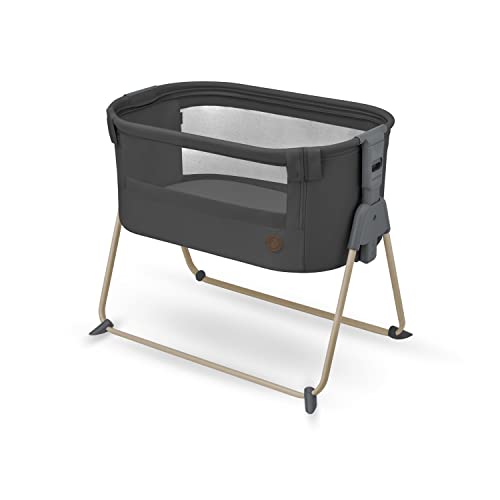
The Essential Guide to Nursery Cots: Choosing the Right One for Your Baby
When preparing for the arrival of a newborn, one of the first items on a moms and dad’s list is a nursery cot. These cots, likewise known as cribs, create a safe sleeping environment for infants and contribute to the general design of the nursery. With many designs and features readily available, selecting the right nursery cot can be overwhelming. This thorough guide explores the numerous kinds of nursery cots, important functions, safety factors to consider, and suggestions for picking the perfect cot for your baby.
Kinds Of Nursery Cots
When looking for a nursery cot, it is important to consider the various types offered. Each type serves unique purposes and uses various features. Below is a table summarizing the most common types of nursery cots:
| Type of Cot | Description | Suitable For |
|---|---|---|
| Requirement Cot | Standard fixed-size baby crib with slatted sides. | All babies needing a safe sleeping area. |
| Convertible Cot | Baby crib that can be transformed into a toddler bed or full-size bed later on. | Long-term usage for growing children. |
| Portacot/Travel Cot | Lightweight and collapsible cot, suitable for travel. | Households who travel regularly. |
| Moses Basket | A small, portable basket alternative for more youthful infants. | Newborns needing a comfortable sleeping space. |
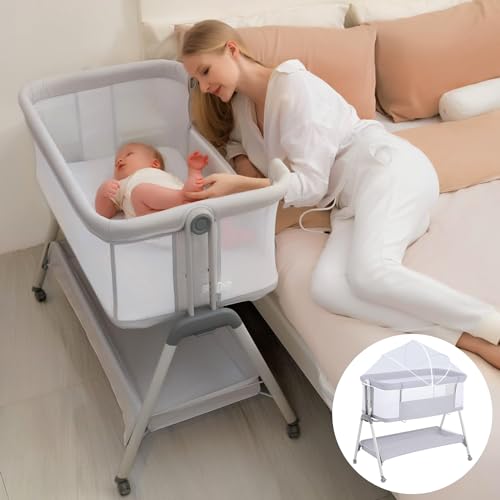
| Co-Sleeper | Connected to the parents’ bed for simple gain access to. | Parents wanting to keep baby close at night. |
| Bassinet | A small, light-weight crib designed for infants approximately 6 months. | Infants requiring close tracking. |
| Next-to-Me Cot | A bed that sits alongside the moms and dad’s bed with a side panel that reduces. | Moms and dads wanting simple gain access to throughout the night. |
Key Features to Consider
When picking a nursery cot, different functions deserve your attention. The right features not only improve safety however likewise accommodate your way of life. Below is a list of essential features to think about:
-
Safety Standards
- Search for cots that adhere to security requirements set by federal government bodies (such as the CPSC in the U.S. or EN standards in Europe).
- Make sure the cot has no sharp edges or extending elements.
-
Adjustable Mattress Height
- Cots with adjustable mattress heights permit simple access to your baby as they grow.
- Lower the mattress as your kid finds out to stand to prevent falls.
-
Material Quality
- Look for cots made from durable, non-toxic products.
- Strong wood is often chosen for its toughness.
-
Mobility
- Consider cots with locking wheels or lightweight designs for easy relocation.
- A cot with a detachable or collapsible design is beneficial for travel.
-
Ease of Assembly
- Look for clear assembly instructions and very little tools needed.
- Prevent cots with elaborate styles that make complex setup.
-
Decorative Style
- Select cots that fit your nursery’s visual– options include contemporary, vintage, or minimalist styles.
- Neutral colors can be versatile as your kid’s tastes evolve.
Safety Considerations
Safety ought to always be the top priority when choosing a nursery cot. To guarantee your baby’s security, follow these standards:
- Firm Mattress: The crib bed mattress should be firm and fit comfortably in the cot without any gaps on the sides.
- No Bedding Accessories: Avoid using soft bedding, pillows, or packed animals inside the cot, as they present suffocation dangers.
- Routine Inspections: Routinely examine for loose screws, slats, or wear and tear that might jeopardize security.
- Vertical Slats: Ensure slats are no more than 2-3 inches apart to avoid head entrapment.
Budgeting for Your Nursery Cot
The rate of nursery cots can differ considerably based upon style, quality, and features. Below is a basic cost range table to guide your budgeting process:
| Type of Cot | Rate Range (GBP) |
|---|---|
| Standard Cot | ₤ 100 – ₤ 500 |
| Convertible Cot With Storage | ₤ 250 – ₤ 1000 |
| Portacot/Travel Cot | ₤ 50 – ₤ 300 |
| Moses Basket | ₤ 40 – ₤ 200 |
| Co-Sleeper | ₤ 150 – ₤ 500 |
| Bassinet | ₤ 70 – ₤ 300 |
| Next-to-Me Cot | ₤ 150 – ₤ 600 |
Frequently Asked Questions (FAQs)
1. When can my baby transition from a cot to a bed?
The majority of kids shift from a cot to a toddler bed between 18 months and 3 years, however it depends upon specific readiness and developmental milestones.
2. What is the recommended lifespan of a nursery cot?
A top quality nursery cot can last several years, generally up until your kid reaches 5 years of age or can climb up out individually.
3. How typically should I clean up the cot?
Routinely clean the cot, at least once a week, and decontaminate it fully on a monthly basis. Always use non-toxic cleaning products safe for babies.
4. Can I reuse a cot for numerous children?
Yes, if the cot has actually been properly maintained and satisfies security standards. Look for wear and tear before reuse.
5. Should I buy a brand-new or utilized cot?
While purchasing a brand-new cot assurances safety requirements compliance, an utilized cot can be affordable. Just ensure it satisfies security standards and look for recalls.
Making the Final Decision
Selecting the best nursery cot is an essential investment in your kid’s security and comfort. Moms and dads need to consider their lifestyle, budget, and the various alternatives readily available to discover a cot that fulfills both their needs and those of their baby. By remaining notified and vigilant relating to safety and quality, they can ensure a relaxing sleeping environment for their child. An attentively chosen cot will not only serve its main function of providing a safe location to sleep but likewise complement the nursery’s style and will be a treasured sanctuary for many years to come.
