
This company has no active jobs

Island Extractor Fans
About Company
Extractor Hoods Tools To Help You Manage Your Everyday Lifethe Only Extractor Hoods Technique Every Person Needs To Know
The Essential Guide to Extractor Hoods: Understanding, Choosing, and Maintaining
In kitchens all over the world, extractor hoods hold a vital function. Not only do they include a touch of style to the culinary space, however they also make sure that cooking smells, smoke, and grease are effectively handled. This thorough guide dives into the various elements of extractor hoods, including their types, advantages, and maintenance ideas, to help anyone wanting to improve their kitchen environment.
Understanding Extractor Hoods
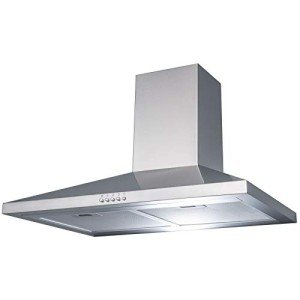
Extractor hoods, likewise referred to as range hoods or kitchen hoods, are appliances set up above cooking surface areas. Their primary function is to ventilate and get rid of airborne grease, smoke, fumes, and odors produced throughout cooking.
Kinds Of Extractor Hoods
Extractor hoods come in different styles and functionalities. Understanding the types is vital for making an informed option. Here’s a summary:
| Type | Description | Ideal For |
|---|---|---|
| Wall-Mounted | Installed on the wall, typically above the stove. | Basic home kitchens. |
| Under-Cabinet | Fits underneath kitchen cabinets, saving overhead area. | Apartments or small spaces. |
| Island | Mounted above kitchen islands and offers a smooth design. | Open idea kitchens. |
| Downdraft | Retracts into the countertop when not in use. | Contemporary kitchens. |
| Expert | Durable hoods for commercial-grade cooking. | Expert kitchens. |
How They Work
Extractor hoods run by drawing in the air from the cooking area, filtering it through a series of filters, and after that launching either tidy air back into the kitchen or venting it outside. The option between ducted and ductless systems affects how the hood functions:
- Ducted Hoods: Vent air outside, making them more reliable in eliminating heat and odorous particles.
- Ductless Hoods: Use filters to clean the air and recycle it back into the kitchen. They are easier to set up however may need more frequent filter replacement.
Advantages of Extractor Hoods
Investing in an extractor hood provides numerous advantages that extend beyond visual improvement. Here are crucial benefits:
- Improved Air Quality: Removes smoke, steam, and odors, making sure cleaner air in the kitchen.
- Grease Reduction: Captures grease and moisture, decreasing accumulation on cabinets and walls.
- Improved Comfort: Keeps the kitchen cooler by expelling heat created throughout cooking.
- Increased Safety: Reduces the threat of fire threats from grease accumulation.
- Trendy Design: Available in different designs, boosting the overall kitchen decor.
Choosing the Right Extractor Hood
Choosing the right extractor hood may appear overwhelming offered the variety of alternatives offered. Here are some crucial elements to think about:
1. Kitchen Size
The size of the kitchen will figure out the hood’s dimensions and power. Bigger kitchens generally need more powerful hoods to make sure reliable ventilation.
2. Cooking Style
Consider cooking practices. If regular frying or barbecuing becomes part of the regular, a stronger extractor hood with a higher extraction rate is advisable.
3. Visual Preferences
Extractor hoods can be a declaration piece in the kitchen. Choose a design that complements the general design.
4. Setup Type
Choose whether a ducted or ductless hood fits much better with your kitchen design and ventilation options.
5. Noise Levels
Sound levels differ by design. Go with quieter hoods if noise is a significant issue throughout cooking.
6. Features and Controls
Modern hoods include various features, including adjustable fan speeds, lighting, and wise connectivity. Examine these based on personal needs.
Breakdown of Features
| Feature | Description |
|---|---|
| Fan Speed Settings | Numerous speed alternatives for different cooking requirements. |
| Lighting | Integrated lighting to brighten the cooking area. |
| Filter Type | Options consist of metal, charcoal, or paper, affecting upkeep needs. |
| Smart Technology | Wi-Fi connectivity for remote operation and tracking. |
Frequently Asked Questions About Extractor Hoods
Q1: How frequently should extractor hood filters be cleaned or replaced?A1: It depends on use, however usually, grease filters need to be cleaned up on a monthly basis and charcoal filters changed every 3 to 6 months.
Q2: Can I install an extractor hood myself?A2: While some models
are designed for easy DIY installation, it’s typically best to speak with a professional for optimal outcomes and security. Q3: How do I determine the best size hood for
my stove?A3: The extractor hood should be at least as wide as the cooking surface and
preferably extends 3 inches beyond either side. Q4: What is the average cost of an extractor hood?A4: Prices vary commonly depending upon design and features however typical in between ₤ 50 to ₤ 1,500 or more for high-end designs. Maintenance Tips for Extractor Hoods Appropriate maintenance is crucial for the durability and performance of an extractor hood.
Here are some best practices: Regular Cleaning
: Clean the surface area and filters routinely. Metal filters can often be washed in a dishwashing machine. Inspect Ducts: Inspect ducts for obstructions
Whether for aesthetic appeal, enhanced air quality, or total safety, buying a quality extractor hood unquestionably pays off in the long run.
